

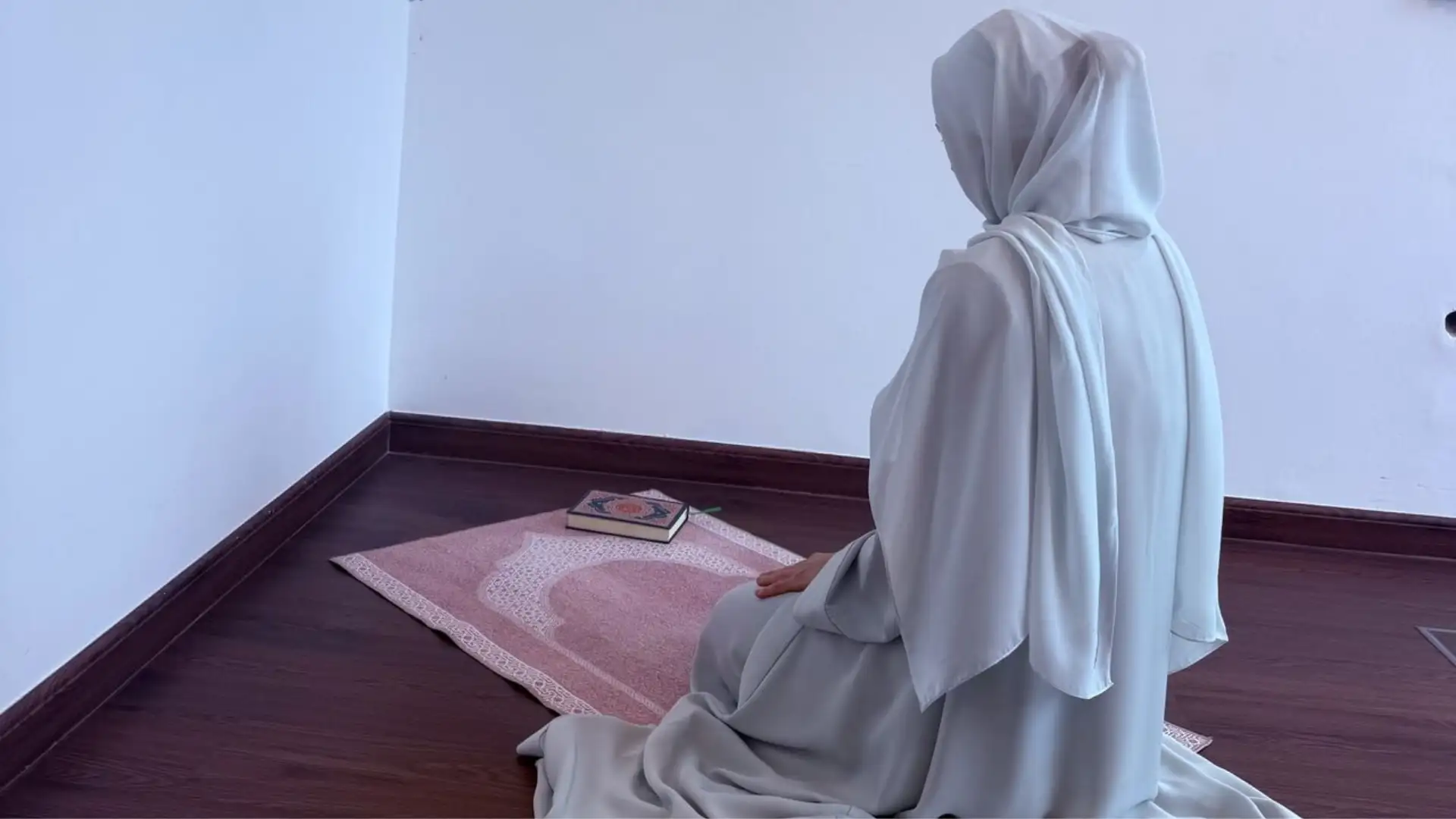
I want to share the essential Duas I recite after Fajr and Isha Salah every day. Based on Islamic teachings, making dua (supplication) after the obligatory prayers is highly recommended, because it is one of the times when prayers have the highest chance of being accepted. These quiet moments after Salah have become some of the most spiritually grounding parts of my day, and I believe they hold real protection and benefit for anyone who makes them a consistent practice.
Why Dua After Salah Is So Powerful
Making dua immediately after Salah is one of the most beautiful spiritual habits a believer can build. It signifies a humbling of the heart and a recognition of our complete dependency on Allah, expressed in the very moment we have just finished a mandatory act of obedience.
The Prophet (PBUH) specifically taught that the most accepted dua is the one made in the last part of the night and after the obligatory prayers. That alone tells us how precious these moments are. Although sujud is the closest a servant ever is to Allah, the time directly after the final tasleem (the salam that ends the prayer) remains a blessed window. We are still in a state of purity, our hearts are still in remembrance, and Allah is listening.
The Protections the Prophet (PBUH) Sought After Prayer
One of the most striking things I have learned is what the Prophet (PBUH) himself used to ask for in this moment. He used to make crucial dua after the final tashahhud (before the salam) and after prayer, seeking protection from:
- The torment of the grave
- The punishment of hellfire
- The trials of the Dajjal
If the Prophet (PBUH) himself made these specific protective duas, it shows just how essential they are for every believer. We are no less in need of that protection than he was.
Shaytan Has No Authority Over a Believer
One of the most empowering truths in the Quran is that Shaytan has no real power or forced control over believers. He can only whisper. The choice to respond, or not, remains entirely with us.
On the Day of Judgment, Shaytan himself will openly admit this. He will say:
“I had no authority over you except that I called you, and you responded to me. So blame me not, but blame yourselves.”
That verse changes everything. It means we are not victims of Shaytan. We are responsible. And when we strengthen ourselves through prayer and remembrance, we make ourselves untouchable by his whispers.
Salah and Dhikr as a Spiritual Shield
The very purpose of the obligatory prayer is to remember Allah and protect us. While the whispers of Shaytan are constant, the consistency of Salah combined with dhikr (remembrance) after each prayer acts as a real spiritual shield. It is invisible, but it is powerful.
This is why building the habit of post-Salah dua and dhikr is so important. It is not about adding more religious tasks to a busy day. It is about fortifying ourselves, every single day, against the unseen forces that target the heart.
Ayat al-Kursi for Additional Protection
Alongside the duas I recite, I also recite Ayat al-Kursi (the Throne Verse, the 255th verse of Surah Al-Baqarah, Chapter 2) after both Fajr and Isha. It is one of the most powerful verses in the Quran and provides additional protection from Shaytan and jinn.
Reciting it consistently after these two prayers, the start and the end of my spiritual day, gives me a quiet sense of being covered and protected from morning until I sleep, and through the night until morning again.
Why This Matters More Than Ever
As the Day of Judgment draws closer, I have noticed something hard to ignore. The majority of the world has become increasingly vulnerable to Shaytan and jinn, not because of any new strength on their part, but because of the growing ignorance and negligence in worship and remembrance of Allah.
The protection has always been available. It is built right into the daily prayers. The question is whether we are choosing to use it. For me, the answer has been to keep these post-Salah duas and Ayat al-Kursi at the centre of my routine, every single day, without fail.
Frequently Asked Questions
Why is Dua after Salah considered so important?
Because the Prophet (PBUH) specifically said it is one of the times when dua is most likely to be accepted. The believer is in a state of purity, the heart is humbled, and Allah is listening immediately after an act of obedience.
Is sujud not the closest a person is to Allah?
Yes, sujud is the closest position a servant is to Allah. However, the moment after the final tasleem also remains a blessed and accepted time for dua, a window of purity, remembrance, and proximity that should not be wasted.
What did the Prophet (PBUH) seek protection from after prayer?
He used to seek protection from the torment of the grave, the punishment of hellfire, and the trials of the Dajjal. These duas were made both after the final tashahhud and after the salam.
Does Shaytan have real power over believers?
No. The Quran is clear that Shaytan has no authority over believers, only the ability to whisper. On the Day of Judgment, he himself will admit this and will tell those who followed him to blame only themselves.
Why do you recite Ayat al-Kursi after Fajr and Isha?
Ayat al-Kursi (the Throne Verse, verse 255 of Surah Al-Baqarah) is one of the most powerful verses in the Quran and provides protection from Shaytan and jinn. Reciting it after Fajr and Isha covers both the day and the night with that protection.
How do Salah and dhikr act as a spiritual shield?
Consistent prayer and remembrance of Allah fortify the heart and the soul against the constant whispers of Shaytan. They keep the believer connected to Allah throughout the day and night, making them spiritually untouchable.