


One of the most interesting things I have observed about the protection of God over the years, is that when someone does something unjust to you (for example; saying something hurtful to you or about you, a client refusing to pay your invoice, lying, cheating or disrespecting you in any way etc.) — if you don’t react or retaliate to that individual, God will take care of it for you. You literally don’t need to do anything.
Allah Is the Ultimate Defender of the Oppressed
Islam teaches that God (Allah) is the ultimate defender of the oppressed. When someone is wronged, they have the right to seek justice, however forgiving and leaving the matter for Allah to take care of it is superior.
What I have noticed over the years is that when someone is bad to you, and you have the inner strength to not do anything back to them, not only will God increase you in rewards, but He will also elevate your status in this life and the next.
What the Quran Says About Forgiveness
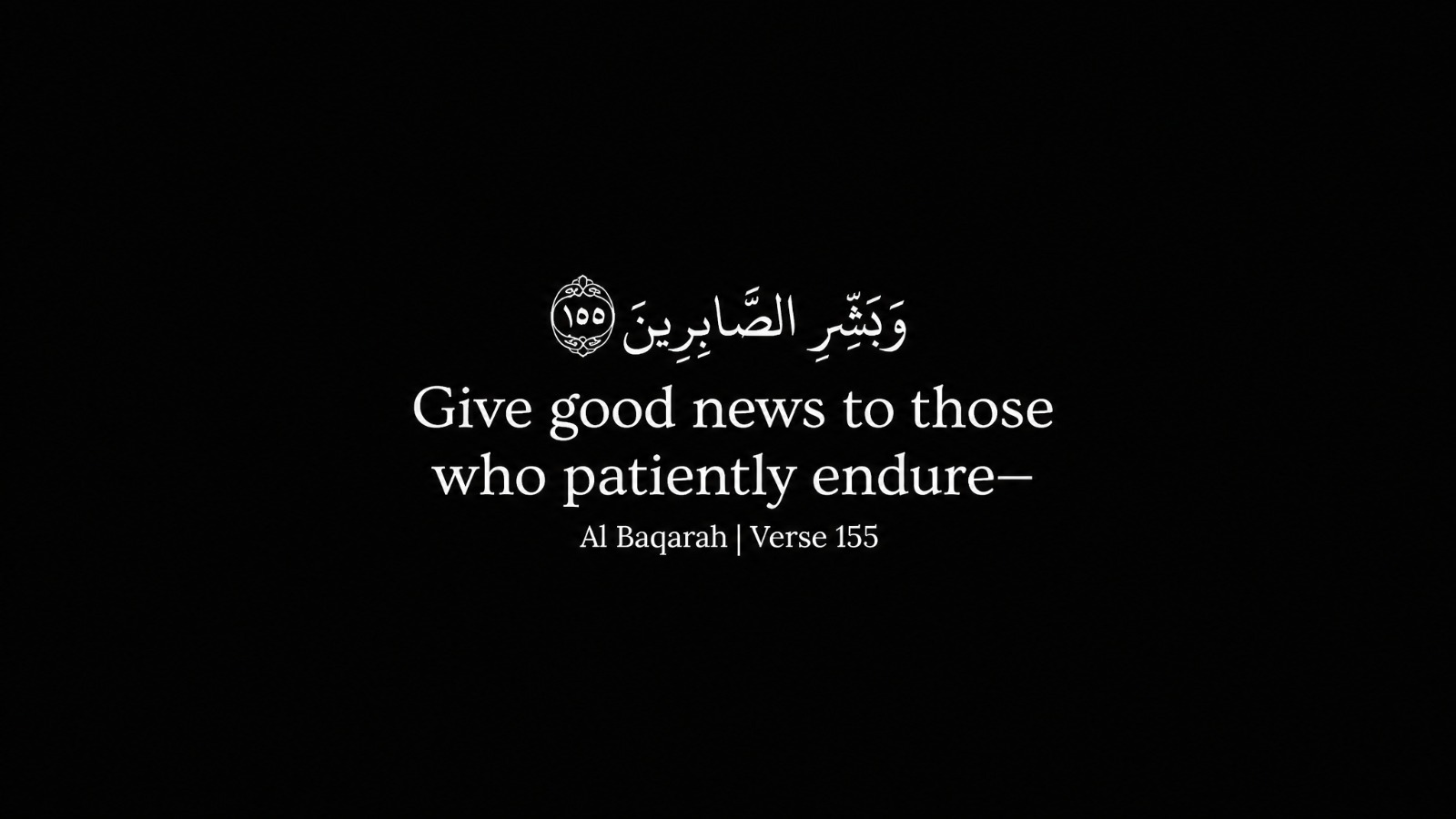
The Quran mentions that if you are patient and leave it to Him, He will handle the oppressor. The Quran also states: “but whoever pardons and makes reconciliation his reward is due from Allah” (Surah Ash-Shura 42:40).
The Prophet (ﷺ) said that Allah increases the honor of the one who forgives. However, if you retaliate in an unjust way back to the individual, this is a form of disobedience, and it will likely have repercussions for you.
The Risk of Crossing the Line in Retaliation
While equal retaliation (qisas) is permitted, it is very easy to overstep and become a wrongdoer yourself, which then leads you to sin and will then go against you in your record.
The Prophet (ﷺ) mentioned: “If you take retribution, then do so in proportion to the wrong done to you. However, if you bear it patiently, that is indeed best for those who are patient” (Quran 16:126).
Repel Evil With What Is Better
The Quran says, “Repel evil with what is better” (41:34). This implies that we should not focus on them but focus more on our own character and spiritual growth rather than wasting energy on negativity.
So just relax, sit back and let God deal with it. Practicing patience (sabr), and trusting in God’s justice (tawakkul) is better.
Frequently Asked Questions
What happens when someone wrongs you and you don’t retaliate?
God takes care of it for you. When the believer holds back from retaliation and trusts Allah, He defends the wronged person, increases their reward, and elevates their status in this life and the next.
Is seeking justice allowed in Islam?
Yes, the wronged person has the right to seek justice. However, forgiving and leaving the matter to Allah is considered superior, and it is the path that brings the greatest reward.
What does the Quran say about pardoning others?
The Quran states, “but whoever pardons and makes reconciliation his reward is due from Allah” (Surah Ash-Shura 42:40). It also commands believers to “repel evil with what is better” (41:34), highlighting the spiritual elevation that comes through forgiveness.
Why is unjust retaliation discouraged in Islam?
Because while equal retaliation (qisas) is permitted, it is very easy to overstep and become a wrongdoer yourself. Crossing that line turns the victim into the offender, and the matter then goes against them in their record.
What should a believer do when they are wronged?
Practice patience (sabr) and trust in Allah’s justice (tawakkul). Focus on personal character and spiritual growth rather than the wrongdoer, and trust that Allah, the ultimate defender of the oppressed, will handle the matter perfectly.